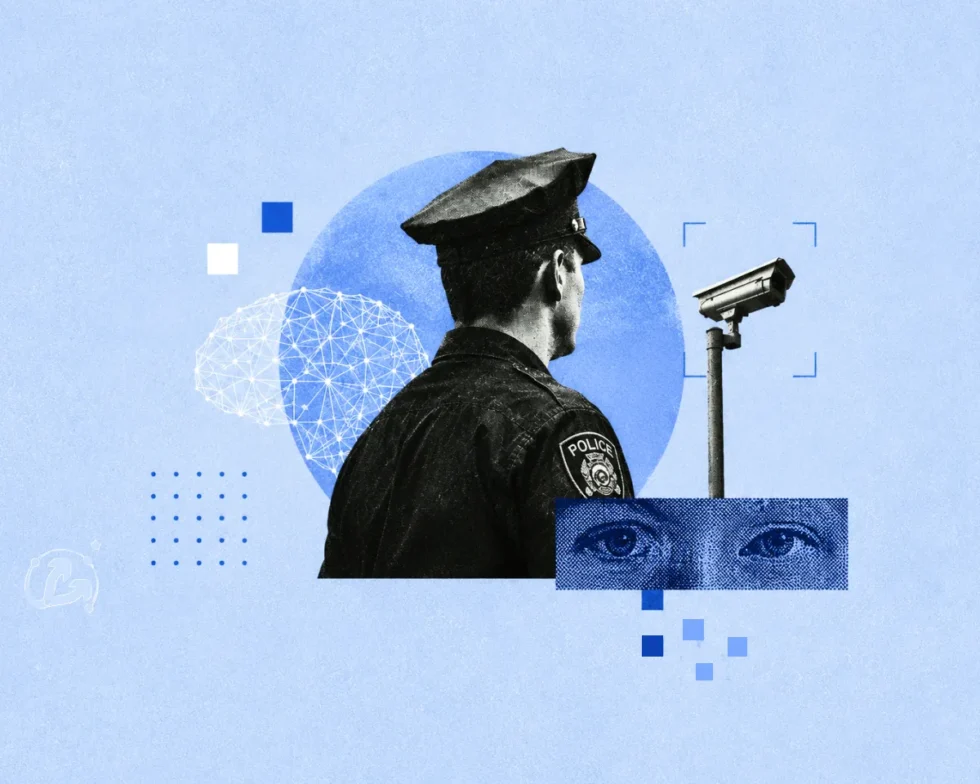

U.S. Congressman Thomas Massie has proposed cutting federal funding to municipalities and police departments that use Flock cameras and similar automated surveillance systems.
I’ll soon be sponsoring a bill to withhold federal money from municipalities and police departments that deploy Flock (and other style) cameras to surveil law abiding citizens. pic.twitter.com/FGzE69psxS
— Thomas Massie (@RepThomasMassie) July 25, 2026
Massie promised to advance the related bill in the House of Representatives.
Flock Safety, founded in 2017 in Atlanta, sells internet-connected cameras that photograph passing vehicles, read license plates, and identify vehicle characteristics such as make, model, and color. Flock claims not to use facial recognition and typically retains data for 30 days unless local regulations specify otherwise.
In several states, local authorities are already reconsidering their decisions regarding Flock. The Los Angeles Police Department suspended its partnership with the company due to concerns over privacy, data sharing, security, and contract terms.
Monroe County in Indiana voted to terminate its agreement early. Leon County in Florida postponed funding for additional cameras following residents’ questions about data collection, storage, and transmission.
Critics of Flock argue that these systems are used beyond their stated purposes, such as investigating crimes and finding missing persons. The Institute for Justice documented more than two dozen instances where law enforcement officers allegedly used the cameras to monitor current or former romantic partners.
The Electronic Frontier Foundation claims that during protests, including the No Kings movement in 2025, law enforcement accessed license plate databases. That same year, the group reported that Texas police requested Flock data during an abortion investigation initially described as a missing person case.
Dissatisfied citizens are also fighting against surveillance. The Guardian counted 33 incidents of camera damage or destruction across 23 states. Locals have painted over lenses or knocked down devices.

“This is just another way to gather information and spy on us. I have a constitutional right to privacy. I am a law-abiding citizen, and I don’t need anyone poking their nose into my affairs,” said 77-year-old protester Carl Gunn.
Flock has had to respond to the criticism. The company’s CEO, Garrett Langley, apologized for calling opponents of the video systems a “terrorist organization.” He also acknowledged some of the criticisms directed at the business.
In June, in Bristol, AI models for assessing child crime risks were disabled due to errors.