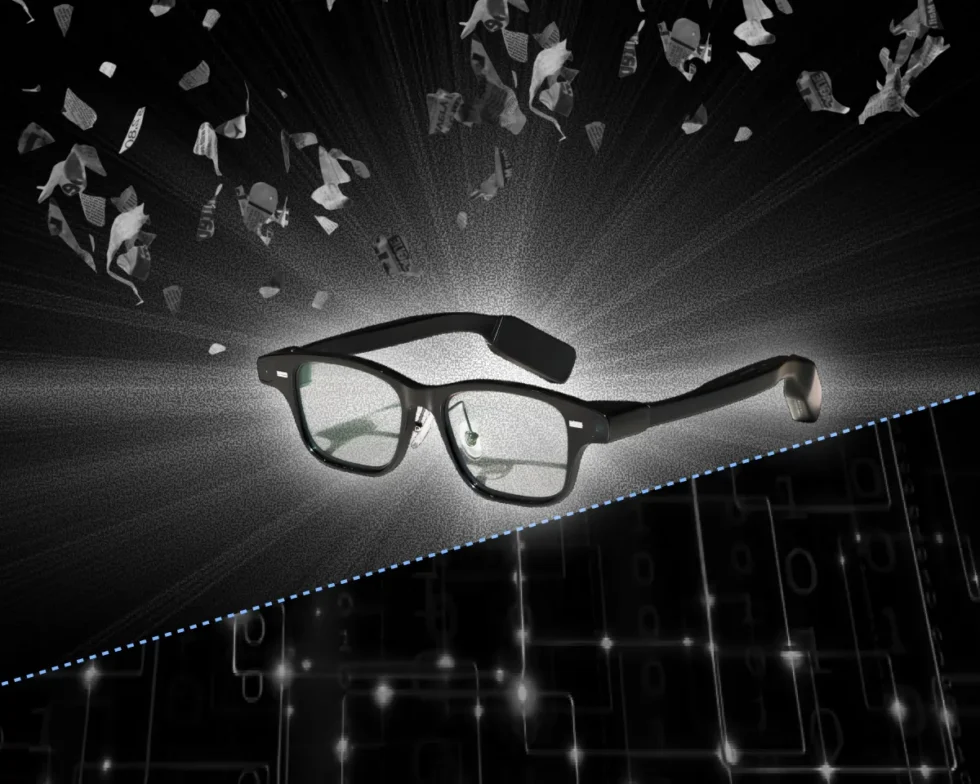
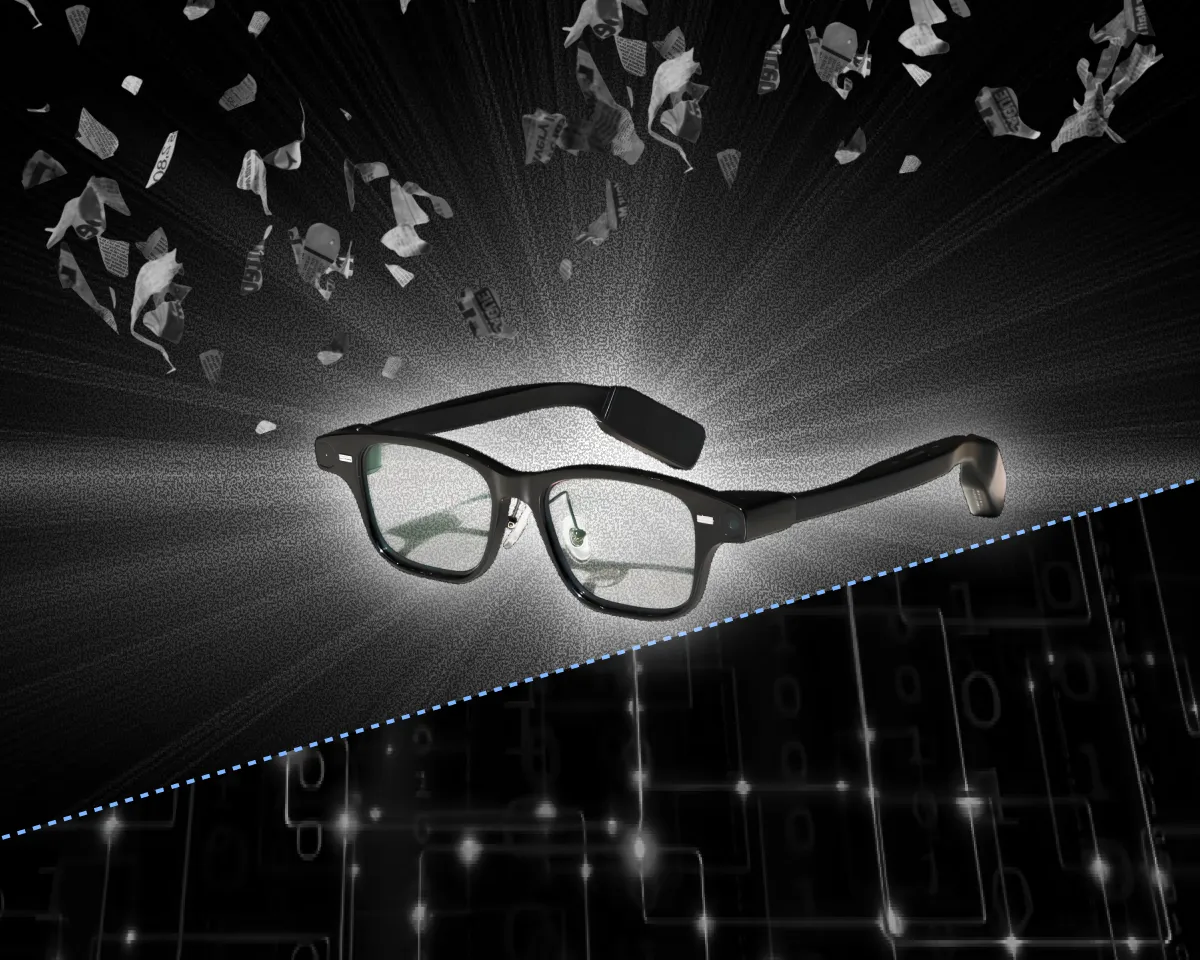
Meta is preparing to release smart glasses without cameras in response to complaints about covert recording with the Ray-Ban Meta. This information comes from sources familiar with the company’s plans, as reported by The Information.
The device, codenamed Luna, has not been officially announced by the company but could be available for sale as early as October.
The new model will not include cameras; instead, it will feature six microphones for voice interaction with Meta AI and the personal AI agent Muse. The assistant can be activated via a button on the frame. The glasses will also have speakers similar to those used in the Ray-Ban Meta line, with thinner frames. The company is currently developing two design variants, codenamed Clubmaster and Burbank.
According to sources, Luna may be unveiled at the Meta Connect conference scheduled for September 23-24.
Why Meta Glasses Faced Criticism
Ray-Ban Meta glasses resemble regular eyewear but are equipped with a camera. A small white indicator on the frame signals the start of recording.
In January, journalists from BBC reported hundreds of videos on TikTok and Instagram where men approached women and allegedly recorded them secretly using Meta glasses.
Seven women from the UK, the US, and Australia told the publication they learned about the recordings only after the videos were posted.
One video featuring a 21-year-old London resident named Dilara garnered 1.3 million views. Her phone number was visible in the footage, leading to weeks of calls and messages. Some viewers even visited her workplace.
Another woman was filmed during a conversation on a beach in West Sussex. Two videos received 6.9 million views on TikTok and over 100,000 likes on Instagram. In the footage, she unknowingly disclosed information about her job and family.
Meta pointed to the recording indicator and a system preventing its obstruction. However, BBC found online instructions for disabling or masking the LED.
None of the women interviewed noticed the warning signal.
In July, the company announced enhanced protections. The second-generation glasses automatically disable the camera if the system detects a blocked indicator.
The update is also designed to detect physical damage or removal of the indicator.
“We are constantly improving our ability to detect interference. The glasses will now disable the camera if they detect that the indicator has been physically altered or destroyed,” Meta stated.
The company also promised to remove ads, posts, and service offers that bypass protections, block related accounts, and take legal action against sellers of such modifications.
Authorities Take Interest in Meta Glasses
In May, the Texas Attorney General launched an investigation into Meta. The office is examining whether the company misled buyers about the collection of recordings, facial images, and other personal data.
Concerns were not limited to recording strangers. In March, Meta faced a class-action lawsuit over the transfer of materials sent by Meta AI users to contractors in Kenya. According to a Swedish media investigation, these included intimate recordings and images of bank cards.
In August, the German advocacy group HateAid filed a complaint against Meta, the owner of Ray-Ban, and glasses sellers. The group claims the device allows for covert recording of individuals and violates local data protection laws. The prosecutor’s office confirmed a preliminary investigation.
Australia is also considering banning glasses with cameras in government buildings. Such devices have already been restricted in Oslo schools and courts in England and Wales.
In March, an app for Android was released to detect smart glasses. It searches for devices from Meta, Snap, and other manufacturers via Bluetooth signals but does not determine if recording is in progress.