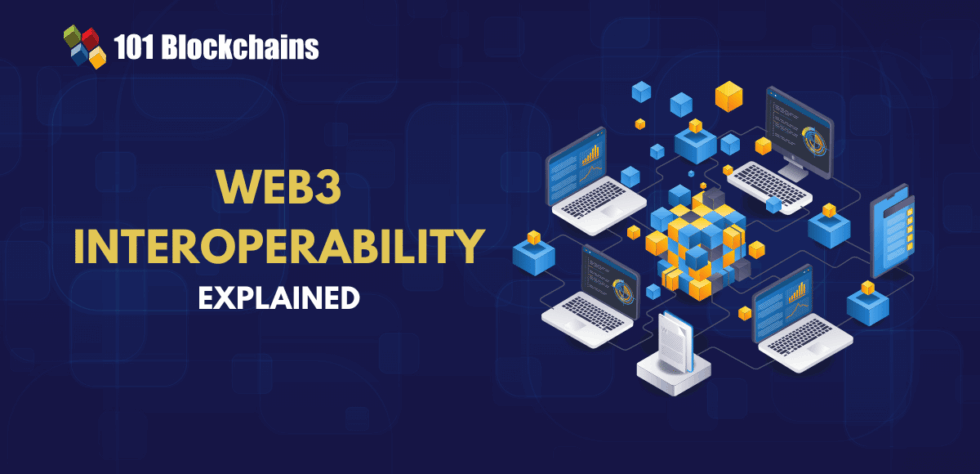
Web3 is entering one of its most transformative phases yet. After years of operating as isolated blockchain ecosystems—Ethereum, Solana, Polkadot, Avalanche, Binance Smart Chain—the industry is finally solving one of its biggest limitations: fragmentation. This breakthrough is driving what many analysts now call the cross-chain revolution, a shift that is changing how value, data, and digital assets flow across the decentralized internet. Interoperability has moved far beyond being a buzzword. It has become the backbone of next-generation Web3 infrastructure, enabling seamless communication between blockchains and eliminating the outdated model of isolation. The result is a more scalable, secure, and user-friendly decentralized digital economy.
Why Fragmentation Slowed Web3’s Growth
For years, Web3 struggled with a critical flaw: every blockchain was a closed island. Users who wanted to move assets or interact across chains had to deal with slow bridges, high fees, risky wrapped tokens, and complicated interfaces. Developers faced even more challenges, often needing to rebuild their entire applications for each new chain. This created long-term issues such as scattered liquidity, inefficient DeFi markets, repeated smart-contract development, a higher risk of hacks, and a confusing user experience. Interoperability became the missing layer Web3 needed to scale globally.
The Interoperability Era: A Unified Web3 Emerges
Today, Web3 is shifting toward a unified multichain environment. New interoperability protocols allow blockchains to exchange data and assets securely, without the vulnerabilities of traditional token bridges. This movement is defined by major trends: cross-chain messaging instead of wrapped tokens, unified liquidity networks powering DeFi, multi-chain smart contract execution, layer-0 networks supporting parallel chains, and omnichain applications that feel seamless to users. Interoperability is no longer optional—it is becoming the core infrastructure of the new Web3.
The Leading Projects Driving the Cross-Chain Revolution
LayerZero – The Omnichain Messaging Layer
LayerZero is one of the most disruptive interoperability solutions in crypto. Instead of transferring tokens through risky bridges, it allows direct cross-chain messaging. This lets applications share data, state, and liquidity across dozens of blockchains without ever relying on wrapped assets. Developers can deploy omnichain applications that operate consistently across all networks, while users enjoy simplified, secure experiences.
Cosmos and IBC – The Internet of Blockchains
Cosmos pioneered the concept of app-chains: independent blockchains built for specific purposes. Its Inter-Blockchain Communication Protocol (IBC) allows these sovereign chains to communicate trustlessly. With a growing ecosystem of chains like Osmosis, Injective, Celestia, and more, Cosmos proves that modular networks connected through secure interoperability can scale sustainably.
Polkadot – A Multichain Network With Shared Security
Polkadot’s architecture is designed from the ground up for interoperability. Its Relay Chain provides shared security to specialized parachains that communicate quickly and safely through Polkadot’s XCM messaging system. This structure creates a highly coordinated multichain environment that supports enterprise-grade blockchain development.
Chainlink CCIP – Interoperability for Finance and Institutions
Chainlink’s Cross-Chain Interoperability Protocol (CCIP) is emerging as the preferred standard for financial institutions and enterprise blockchain deployments. Built on Chainlink’s battle-tested oracle infrastructure, CCIP enables secure cross-chain token transfers, messaging, and real-world asset integrations. As banks and fintech companies adopt blockchain, CCIP is shaping up to be the trusted communication layer connecting traditional finance to Web3.
Axelar – The Universal Routing Layer for Web3
Axelar delivers secure general message passing, cross-chain smart contract calls, and simplified developer tools. By supporting dozens of chains and offering a universal routing layer, Axelar makes it easy for developers to create applications that interact across multiple ecosystems without reinventing the wheel.
Why Interoperability Will Define the Future of Web3
A Seamless User Experience Across Multiple Chains
Most users don’t care about chain names—they care about convenience. Interoperability removes the confusion of network switching, bridging, or managing multiple wallets. Web3 becomes as smooth as Web2, but without sacrificing decentralization.
Unified Liquidity Instead of Fragmented Markets
Right now, liquidity is scattered across many chains. Cross-chain systems allow liquidity to move freely, strengthening DEXs, lending markets, yield protocols, and derivatives platforms. Unified liquidity means a stronger DeFi ecosystem overall.
Faster Development and Multi-Chain Deployment
Cross-chain smart contracts and messaging environments allow developers to build once and deploy everywhere. This accelerates innovation dramatically, reducing repetitive work and enabling global-scale applications.
A New Generation of Omnichain Applications
The future of Web3 lies in omnichain applications—dApps that operate across many blockchains at once. These apps will source liquidity globally, manage cross-chain logic automatically, and give users one unified interface. They make Web3 feel simple, even though the underlying technology is complex.
A Safer Web3 Without Bridge Hacks
Interoperability protocols reduce reliance on traditional bridges—the root cause of most major hacks in crypto history. Secure messaging and trust-minimized systems are replacing wrapped tokens and centralized bridge operators, making Web3 safer for users and institutions.
The Future: One Connected Web3 Ecosystem
The cross-chain revolution is transforming Web3 from a fragmented set of networks into one interconnected digital economy. Instead of competing in isolation, blockchains will connect through universal communication layers and shared liquidity systems. The future of Web3 is multichain in structure, omnichain in experience, interoperable by default, and built on seamless communication between networks. Just as the internet connected isolated local networks into one global system, interoperability is unifying the blockchain world. The cross-chain era is here—and it is redefining the future of Web3.