The NFT boom introduced a new era of digital ownership, where rare artwork, music rights, virtual real estate, and even collectibles became tokenized on the blockchain. But as the market matured, a major issue emerged: the best NFTs were becoming too expensive for most investors. High-value assets like Bored Ape Yacht Club pieces, rare CryptoPunks, and iconic digital artworks were selling for hundreds of thousands—even millions—of dollars.
This raised a critical question: How can everyday investors participate in NFT ownership without needing a massive budget?
Enter fractional NFTs, one of the most transformative innovations in Web3. By dividing expensive NFTs into smaller, tradable pieces, fractional ownership is unlocking access to premium assets that were once reserved for crypto whales.
What Are Fractional NFTs?
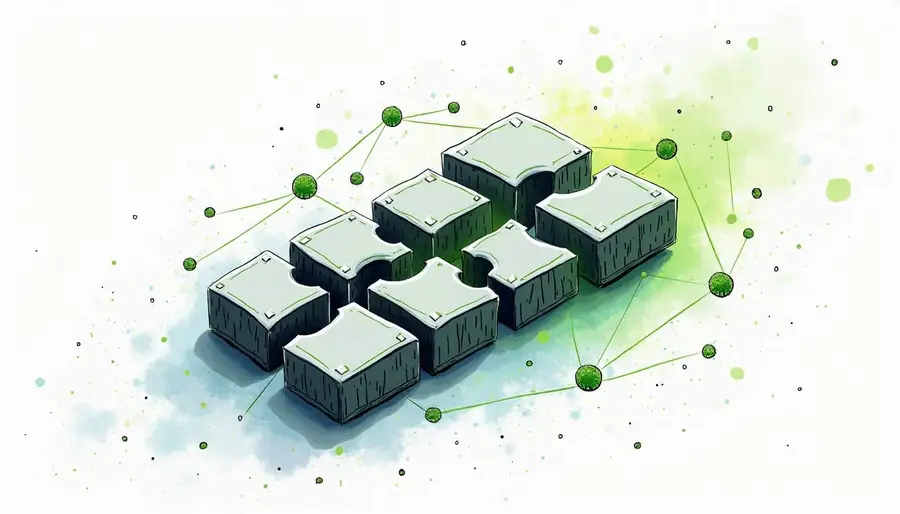
Fractional NFTs are digital assets that have been split into multiple smaller tokens, allowing multiple people to hold a share of a high-value NFT. This is made possible through smart contracts that lock the original asset and mint fractional tokens representing partial ownership.
Think of it like owning a share of a company—or a piece of fine art—but on the blockchain, with full transparency, liquidity, and decentralized governance.
Fractionalization solves three major problems in the NFT market:
- High Entry Costs: Investors can now buy fractions instead of entire NFTs.
- Liquidity: Expensive NFTs become more tradable when divided into smaller units.
- Shared Ownership: Communities can co-own rare assets and collectively decide their future.
This shift is not only democratizing the NFT market but also reshaping the investment landscape.
Why Fractional NFTs Are Becoming So Popular
The rise of fractional NFTs is tied to several powerful trends:
- Lower Barriers to Entry
Instead of needing $200,000 for a rare NFT, investors can now buy fractions worth $50 or $100. This opens the door for retail traders, students, artists, and newcomers to participate in high-value digital markets once dominated by affluent investors. - Increased Market Liquidity
High-end NFTs used to be extremely illiquid—finding a buyer willing to pay millions could take months. Fractionalization solves this by creating smaller, more affordable tokens that trade rapidly on decentralized exchanges. - Community Ownership Dynamics
Fractional NFTs introduce a new social layer. Communities now collectively own prized assets and vote on whether to sell, loan, or display them. This transforms NFTs from static digital art into dynamic, community-powered investments. - New Investment Strategies
Investors can build diversified NFT portfolios without overexposing themselves to a single asset. Fractionalization makes it possible to own a slice of the biggest collections and emerging blue-chip assets simultaneously.
How Fractional NFTs Work
The fractionalization process happens in three steps:
- Minting the Original NFT: A high-value asset is tokenized or locked into a smart contract.
- Fractioning via Smart Contract: The contract splits the NFT into thousands—or even millions—of smaller ERC-20 or ERC-1155 tokens.
- Trading Fractions on Marketplaces: Investors can buy, sell, or trade fractional tokens on decentralized exchanges or specialized fractional NFT platforms.
If the community votes to sell the original NFT, token holders receive proportional payouts based on how many fractional units they own.
Popular Platforms for Fractional NFTs
Several platforms are leading the charge in fractional NFT trading and ownership:
Fractional.art – A pioneer in fractionalization, enabling users to lock NFTs into smart contracts and create ERC-20 fractions tradable on the open market.
Unicly – A protocol that blends NFT ownership with DeFi, turning collections into tradable shards and offering liquidity mining incentives.
DAOs and Collectives – Groups like PleasrDAO buy high-value NFTs and fractionalize them for community members, proving that collective ownership is powerful and scalable.
Examples of Fractionalized NFTs Making Headlines
Several high-profile NFTs have been fractionalized, showcasing real-world interest in shared ownership:
- CryptoPunk #5883, valued at over $1 million, was split into thousands of tokens.
- Doge NFT, originally sold for millions, was fractionalized into $DOG tokens and quickly gained massive trading volume.
- Original meme NFTs such as Nyan Cat have also been split and shared, bringing nostalgic assets into modern investment culture.
These examples show that fractional NFTs aren’t just a trend—they’re a practical solution to market exclusivity.
The Benefits of Fractional NFTs for Investors
For investors—especially retail traders—fractional NFTs deliver multiple advantages:
- Affordability: Access high-value assets without massive capital upfront.
- Diversification: Spread risk across multiple blue-chip NFTs instead of overloading on one.
- Speculation: Buy fractions early, anticipating future appreciation or full NFT sales.
- Liquidity: Trade fractional tokens just like altcoins on decentralized exchanges.
This combination makes fractional NFTs one of the most appealing tools for investors looking to enter the digital asset economy without overextending themselves.
Risks and Challenges
Like all emerging technologies, fractional NFTs come with challenges:
- Regulatory Uncertainty: Fractions may be viewed as securities depending on jurisdiction.
- Smart Contract Risks: Vulnerabilities could compromise ownership.
- Market Volatility: Fractional tokens can experience rapid price fluctuations.
- Governance Disputes: Community disagreements on selling or holding the NFT can slow decisions.
However, most platforms are responding with improved auditing, governance models, and community frameworks to ensure safety and transparency.
The Future of Fractional NFTs
Fractional NFTs are paving the way for a powerful shift in ownership—one that extends far beyond digital art. In the future, we may see fractionalization applied to:
- Real estate
- Intellectual property
- Music royalties
- Luxury goods
- Film rights
- Virtual land
- Sports moments
Imagine owning 0.01% of a skyscraper, 2% of a hit song’s revenue, or a fraction of a rare collectible—all secured on the blockchain.
Fractional NFTs are not just modernizing ownership; they are decentralizing access to wealth creation.
Conclusion: A New Era of Inclusive Digital Ownership
Fractional NFTs represent one of the most important evolutions in Web3. By breaking down high-value assets into accessible fractions, they are democratizing investment, unlocking liquidity, and allowing communities to collectively own premium digital assets.
For investors, the message is clear: NFT access is no longer reserved for the wealthy. Fractionalization has opened a new path—one where anyone can participate, invest, and benefit from the expanding world of digital ownership.
As the market continues to evolve, fractional NFTs will play a central role in reshaping the financial landscape, bridging the gap between elite digital assets and everyday investors—and transforming the NFT ecosystem from exclusive to inclusive.