Africa is rapidly emerging as a frontier for digital finance, blending innovative crypto adoption with the development of central bank digital currencies (CBDCs). As millions across the continent embrace Bitcoin, Ethereum, and stablecoins for remittances, savings, and commerce, governments are taking note. Policymakers are exploring ways to integrate cryptocurrency into regulated financial systems while also developing their own CBDCs to modernize monetary infrastructure. The result is a complex yet promising landscape where innovation and regulation intersect.
Central bank digital currencies (CBDCs) are digital forms of fiat issued and controlled by national banks. Unlike decentralized cryptocurrencies, CBDCs provide governments with full oversight of transactions, monetary policy, and financial stability. Across Africa, several countries are piloting CBDCs or planning frameworks that enable coexistence with private crypto markets. These initiatives aim to strike a balance between embracing digital finance, ensuring security, and maintaining regulatory oversight.
Nigeria: Pioneering CBDC Implementation
Nigeria has been at the forefront of CBDC adoption in Africa with the launch of the eNaira in 2021. The eNaira aims to enhance financial inclusion, reduce transaction costs, and offer a regulated alternative to cryptocurrencies in daily commerce. While private crypto adoption remains strong in Nigeria, the eNaira represents a government-sanctioned digital payment method that complements the existing banking system.
The Central Bank of Nigeria has paired the CBDC rollout with stricter crypto regulations, including licensing for exchanges and enhanced monitoring of cross-border transactions. This dual approach reflects a broader strategy: embrace the benefits of digital currency while managing the risks associated with unregulated crypto markets. Investors and startups operating in Nigeria must navigate this environment carefully, balancing participation in private crypto markets with compliance under the CBDC framework.
South Africa: Regulatory Readiness Meets Innovation
South Africa is taking a more measured but proactive approach to CBDCs and crypto integration. The South African Reserve Bank (SARB) has been conducting extensive research and pilot programs to assess the feasibility of a digital Rand. This includes exploring interoperability with existing banking systems, settlement efficiency, and cross-border payments.
At the same time, South Africa’s Financial Sector Conduct Authority (FSCA) has clarified rules surrounding cryptocurrencies, taxation, and exchange operations. By providing clear regulatory guidance alongside potential CBDC adoption, South Africa is creating an ecosystem where crypto and digital fiat can coexist. This approach encourages institutional investment and ensures that innovation is not stifled by uncertainty.
Kenya: Fostering Practical Integration
Kenya’s mobile-first economy provides a unique advantage in CBDC and crypto integration. The country’s widespread adoption of mobile money services like M-Pesa has created a foundation for digital financial systems that reach unbanked populations. The Central Bank of Kenya is exploring CBDC frameworks and regulatory guidance that encourage experimentation with digital assets while protecting consumers.
Kenya is also witnessing grassroots crypto adoption, where citizens use Bitcoin, stablecoins, and blockchain-based solutions for remittances, lending, and commerce. By aligning CBDC development with these real-world use cases, Kenyan policymakers aim to integrate digital finance in a way that supports inclusion and economic growth.
The Role of CBDCs in Africa’s Crypto Landscape
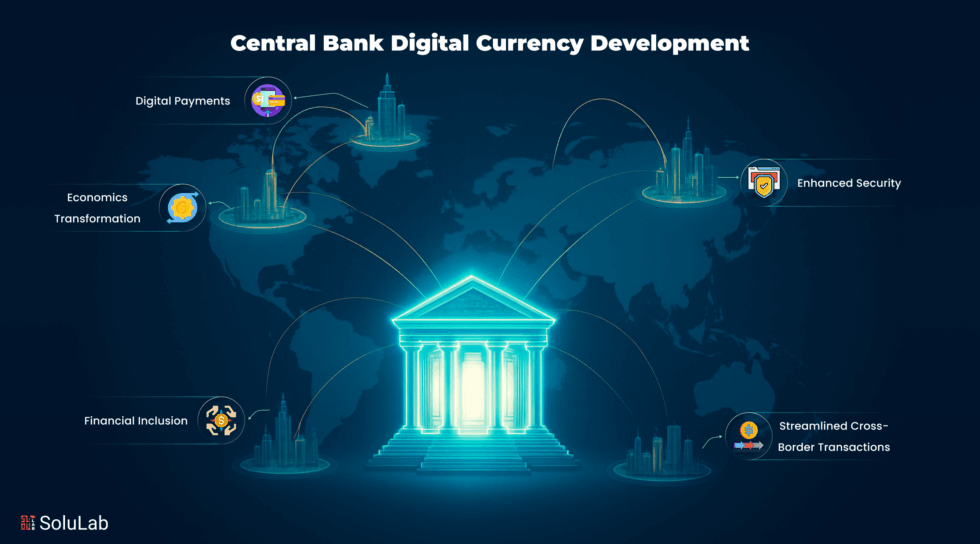
CBDCs across Africa are more than just a digital version of national currencies. They represent a strategic response to the rising influence of decentralized cryptocurrencies and fintech innovation. Some of the expected impacts include:
1. Enhancing Financial Inclusion
CBDCs can reach unbanked and underbanked populations, particularly in regions with limited access to traditional banks. Digital fiat can coexist with mobile money and crypto platforms to expand access to financial services.
2. Reducing Transaction Costs and Increasing Efficiency
Cross-border payments, remittances, and domestic transfers can become faster and cheaper through CBDCs, making them a viable alternative for everyday transactions compared to volatile cryptocurrencies.
3. Providing Regulatory Oversight
CBDCs give central banks real-time visibility into money flows, enabling improved monitoring of money laundering, fraud, and tax compliance. This complements crypto regulation by providing a safer, government-backed alternative.
4. Encouraging Crypto Integration, Not Replacement
Rather than banning cryptocurrencies outright, African nations are exploring coexistence strategies. By integrating CBDCs alongside regulated crypto markets, policymakers aim to harness innovation while mitigating systemic risks.
Challenges and Opportunities
While CBDCs offer significant potential, there are challenges. Infrastructure gaps, cybersecurity risks, and public trust remain top concerns. Additionally, harmonizing CBDCs with existing crypto markets requires careful legal and technical planning. Despite these hurdles, the opportunities are significant: digital payment efficiency, financial inclusion, and the creation of a regulated environment that attracts institutional investment.
For investors and businesses, understanding CBDC initiatives is crucial. They will influence the regulatory environment, user adoption, and potential partnerships for crypto projects. Companies that align with these developments early may gain a competitive advantage in emerging African digital finance markets.
Conclusion: Africa at the Crossroads of Digital Finance
African countries are actively preparing for a future where CBDCs and cryptocurrencies coexist. Nigeria’s eNaira, South Africa’s Rand pilot programs, and Kenya’s mobile-first integration strategies demonstrate a continent balancing innovation with regulation. Investors and entrepreneurs who monitor these trends, understand the evolving legal frameworks, and engage with compliant platforms are best positioned to thrive.
Africa’s crypto and CBDC journey is still in its early stages, but the policies and pilots underway suggest a continent that is ready to lead in digital finance. The integration of CBDCs with crypto markets may not just transform banking—it could redefine how Africa participates in the global economy, creating new opportunities for growth, innovation, and financial inclusion.