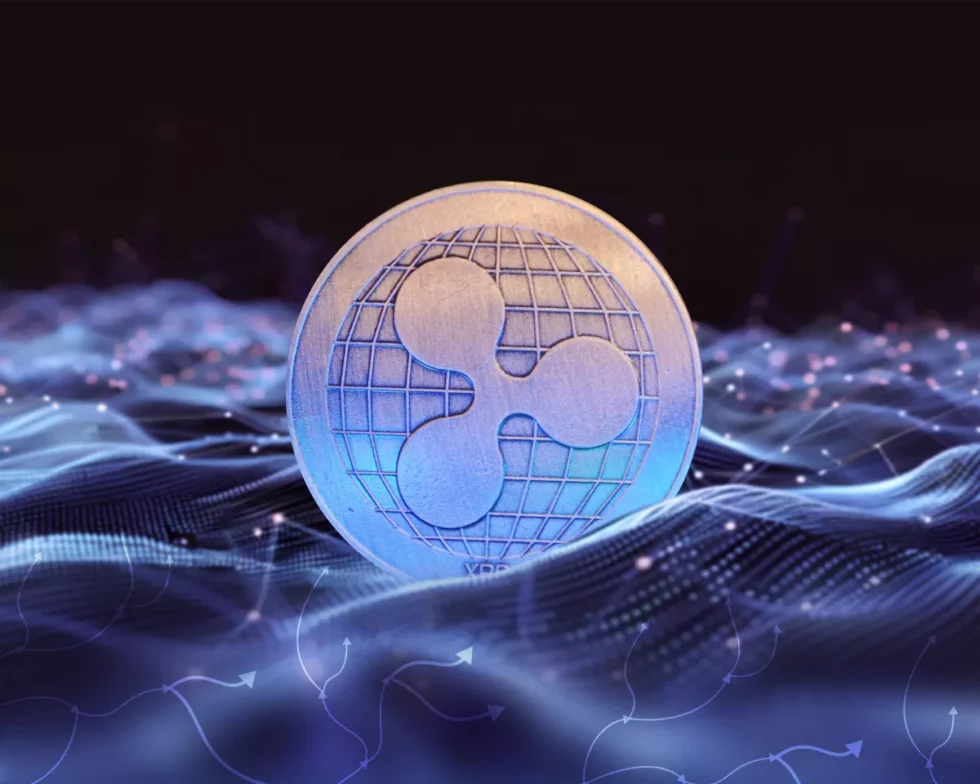

The company Ripple is set to begin testing the stablecoin RLUSD on Layer 2 networks such as Optimism, Base, Ink, and Unichain.
RLUSD is expanding to Layer 2s using @wormhole’s NTT standard for native, secure transfers and will become the first U.S.-based, trust-regulated stablecoin on @Optimism, @Base, @Inkonchain and @Unichain: https://t.co/ju9KyoOIBa
This will enhance utility for XRP and RLUSD by…
— Ripple (@Ripple) December 15, 2025
The initiative is being implemented in partnership with Wormhole, based on the market maker’s Native Token Transfers standard.
Initially, Ripple’s “stablecoin” operates on the XRP Ledger (XRPL) and Ethereum.
“Stablecoins are the gateway to the world of DeFi and institutional adoption, and RLUSD was initially designed as a reliable and liquid means necessary for users to seamlessly enter, interact, and exit the entire digital asset economy,” said Ripple’s Senior Vice President Jack McDonald.
According to him, launching the coin on L2 solutions not only expands the stablecoin’s functionality but also sets a certain standard that combines “regulatory compliance and blockchain operational efficiency.”
In December 2024, Ripple received permission from the New York Department of Financial Services to use the stablecoin for trading. A year later, the U.S. Office of the Comptroller of the Currency preliminarily approved the firm’s registration as a national trust bank.
The company claims to have obtained over 75 licenses worldwide, with the latest jurisdictions including Dubai and Abu Dhabi.
Ripple’s stablecoin ranks tenth among U.S. dollar-pegged tokens, with a valuation of approximately $1.3 billion. Leading the segment, valued at around $3.5 billion, is USDT, with a supply exceeding $183 billion.

Earlier in December, Ripple expanded its partnership with the European crypto bank AMINA Bank to promote payments.