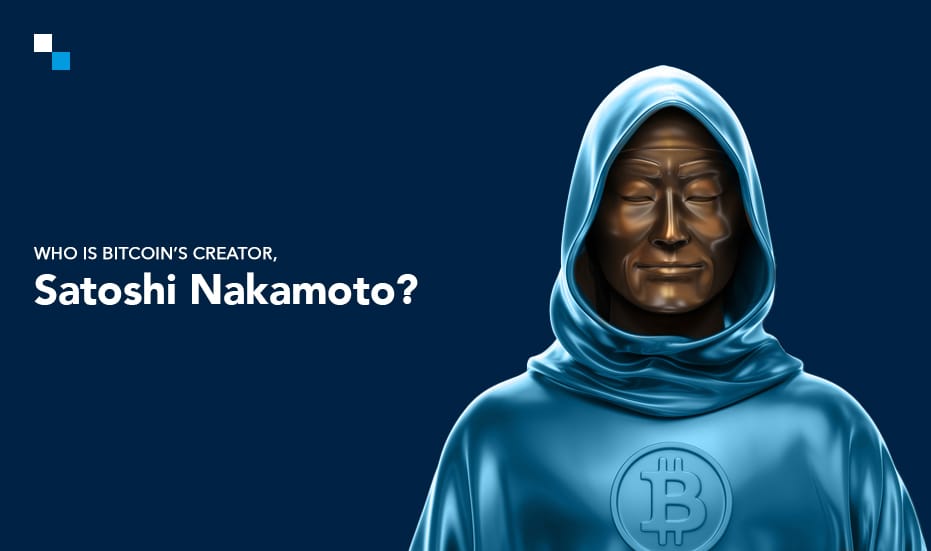
In the annals of financial history, few figures are as enigmatic as Satoshi Nakamoto. The name has become synonymous with innovation, disruption, and mystery, yet the person—or group—behind Bitcoin remains unknown. While cryptocurrencies have grown into a multi-trillion-dollar global industry, the identity of Bitcoin’s creator continues to fascinate investors, technologists, and journalists alike. Understanding the origins of Bitcoin is not just an exercise in curiosity; it offers insight into the vision, principles, and technological brilliance that sparked the digital currency revolution.
The Birth of Bitcoin
Satoshi Nakamoto first appeared on the public stage in 2008 with the release of the Bitcoin whitepaper, titled Bitcoin: A Peer-to-Peer Electronic Cash System. The document outlined a revolutionary concept: a decentralized digital currency that could operate without intermediaries, using cryptography to secure transactions and prevent double-spending. The whitepaper combined economics, computer science, and cryptography in a way that had never been done before, laying the foundation for what would become a global financial movement.
By January 2009, Nakamoto had mined the first Bitcoin block, known as the Genesis Block. Embedded in this first block was a cryptic message referencing the global financial crisis: “The Times 03/Jan/2009 Chancellor on brink of second bailout for banks.” This subtle inclusion signaled more than a date—it was a statement about the need for financial systems that were transparent, decentralized, and immune to the whims of centralized institutions.
A Mystery Wrapped in a Pseudonym
Despite the profound impact of Bitcoin, Satoshi Nakamoto’s identity remains elusive. Is Nakamoto an individual genius, a pseudonym for a group of cryptographers, or even an AI-driven project? Over the years, numerous investigations have attempted to uncover the person behind the name, with theories pointing to figures like Hal Finney, Nick Szabo, Dorian Nakamoto, and even combinations of multiple developers. None have been definitively proven to be Bitcoin’s creator.
Satoshi’s disappearance from the public eye around 2010 only deepened the intrigue. After several years of correspondence with early Bitcoin developers, Nakamoto handed over control of the Bitcoin repository and network alert key to trusted members of the community. Since then, there has been no verifiable communication from Nakamoto, leaving the world with a puzzle that continues to fuel speculation.
The Vision Embedded in Bitcoin
The mystery of Satoshi Nakamoto is not just about anonymity—it reflects a broader philosophy that is embedded in Bitcoin itself. Nakamoto designed Bitcoin to operate independently of governments, banks, or corporations, ensuring that no single entity could manipulate its value or control the network. This vision has resonated globally, attracting individuals who value financial sovereignty, privacy, and freedom from centralized control.
Bitcoin’s early code and development reflect meticulous attention to security and decentralization. From the proof-of-work consensus mechanism to the 21-million coin limit, every aspect of Bitcoin’s design demonstrates foresight and a deep understanding of both technology and economics. These choices continue to influence the development of countless cryptocurrencies and blockchain projects worldwide.
The Influence of the Satoshi Era
The “Satoshi Era,” spanning the early years of Bitcoin from 2008 to roughly 2012, was marked by experimentation, discovery, and the establishment of a dedicated community of enthusiasts. Early miners and developers were often hobbyists, cryptography enthusiasts, or libertarian-minded individuals who believed in the potential of decentralized finance. Transactions were modest in scale, Bitcoin was nearly worthless in fiat terms, and the ecosystem was intimate—a stark contrast to today’s multi-trillion-dollar market.
Despite its humble beginnings, the Satoshi Era laid the foundation for the global adoption of cryptocurrencies. The principles Nakamoto embedded in Bitcoin—decentralization, security, transparency, and limited supply—continue to guide blockchain innovation and inform debates around financial freedom and digital sovereignty.
Why the Mystery Matters
The anonymity of Satoshi Nakamoto serves multiple purposes. On one level, it protects the individual(s) from legal, political, or financial repercussions. On another, it ensures that Bitcoin itself remains leaderless, decentralized, and free from personal influence. This lack of a central figure has allowed the Bitcoin community to grow organically, with development and governance distributed among global contributors.
Moreover, the mystery has become a powerful narrative, enhancing Bitcoin’s allure. The idea that a single visionary—or group—could create a decentralized financial system from scratch captures the imagination and inspires a new generation of innovators. It also reinforces the notion that Bitcoin belongs to no one yet can benefit everyone—a truly revolutionary concept in finance.
Speculation, Legends, and Cultural Impact
The hunt for Nakamoto’s identity has fueled countless articles, documentaries, and social media discussions. Some believe the mystery may never be solved, while others speculate that the truth lies in plain sight, hidden among early contributors’ emails, forum posts, or code repositories. Beyond the speculation, Nakamoto’s cultural impact is undeniable. The Satoshi name has become a unit of measurement—the smallest fraction of Bitcoin—and a symbol of innovation, curiosity, and the disruptive potential of decentralized systems.
Conclusion: The Legacy of Satoshi Nakamoto
Satoshi Nakamoto may never reveal themselves, and perhaps that is the point. The creator of Bitcoin built not just a digital currency but a philosophy—one that emphasizes decentralization, transparency, and financial sovereignty. The mystery surrounding Nakamoto reinforces the principles embedded in Bitcoin itself: no central authority, no single person in control, and a global system resilient to manipulation.
The Satoshi Era may be behind us, but its influence endures. Today, millions of individuals, institutions, and governments participate in the ecosystem Nakamoto helped create, exploring everything from payments and DeFi to NFTs and Web3. While the identity of Bitcoin’s creator remains unknown, the vision is clear: a decentralized financial system that empowers individuals and challenges traditional structures.
For traders, investors, and enthusiasts, understanding the Satoshi story is more than a history lesson—it’s an insight into the principles that continue to shape the future of money. Satoshi Nakamoto’s mystery is, in many ways, the ultimate reminder that innovation can transcend individuals, creating a lasting legacy that changes the world.