




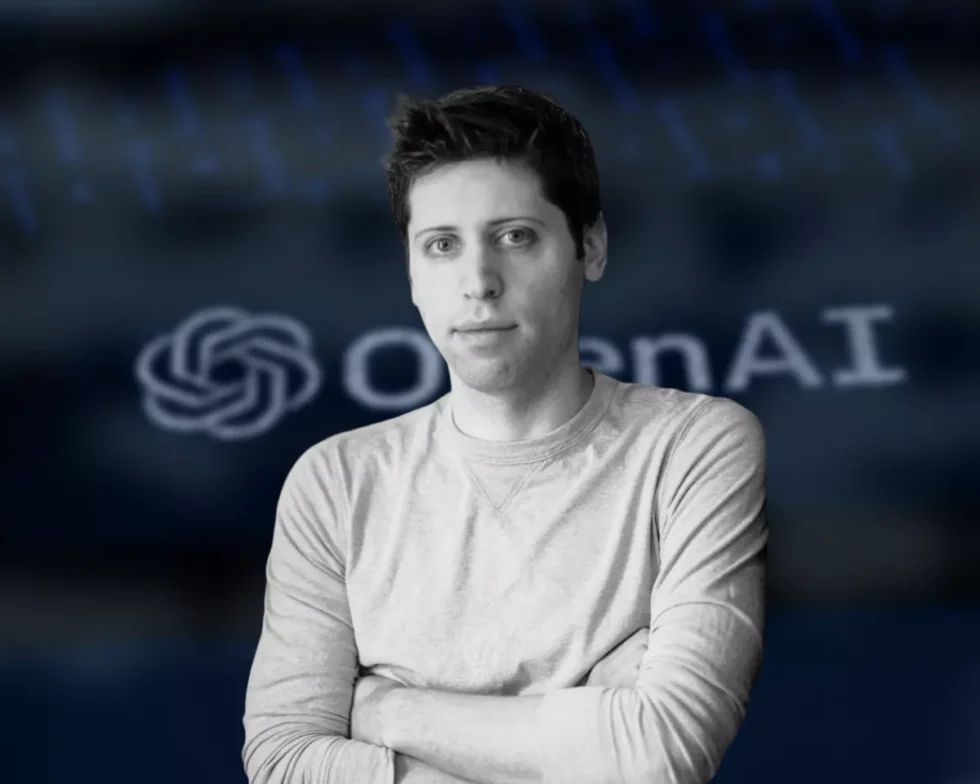
OpenAI was in early discussions with the Trump administration about transferring a 5% stake in the company to the U.S. government, according to a report by Financial Times (FT) citing informed sources.
With the company valued at $852 billion, a 5% stake would be worth approximately $42.6 billion. This valuation is linked to the March funding round. Reuters reported that it could not independently verify FT’s information, and OpenAI and the White House did not respond to requests for comment.
What OpenAI Discussed
According to FT, the idea was promoted by OpenAI CEO Sam Altman, who allegedly discussed the plan with Donald Trump, U.S. Commerce Secretary Howard Lutnick, Treasury Secretary Scott Bessent, and Senator Bernie Sanders. Sources claim he suggested that public financial interest could be a way to distribute the benefits of AI development.
The broader plan reportedly involved other leading U.S. AI developers also transferring similar stakes to the government. Previously, NOTUS reported that officials discussed the possibility of acquiring stakes with major AI-focused companies. According to the publication, Altman first proposed this idea to Trump in early 2025.
NOTUS also noted that Anthropic is not in talks with the U.S. administration about transferring a stake to the government.
Connection to the Public Wealth Fund
The plan is not described as a typical sale of a stake to the government. According to FT, the stake could be transferred to a Public Wealth Fund. OpenAI publicly outlined such an idea in an April document Industrial Policy for the Intelligence Age, proposing the creation of a fund that would give citizens a share in AI-related economic growth.
The document suggests that such a structure could invest in long-term diversified assets, including AI companies and businesses implementing the technology. The fund’s returns would be distributed directly to citizens.
FT reports that Altman considered the Alaska Permanent Fund as a model. It invests the state’s oil revenues and pays annual dividends to residents. However, the legal structure of the potential transfer is not disclosed. It is unclear whether it involved voting shares, only economic rights, or another form of government participation.
Importance Before IPO
On June 8, OpenAI confirmed the confidential filing of a draft S-1 form with the U.S. Securities and Exchange Commission. The company did not disclose the parameters of the potential offering and emphasized that it has not decided on the timing of further steps.
Against this backdrop, potential government involvement in the capital remains a sensitive issue for ownership structure ahead of the IPO. If such a plan is formalized, it could become a significant factor for future disclosures to investors.
The idea intersects with a broader discussion in the U.S. about whether citizens should benefit economically from the AI boom. As noted by Reuters, Trump previously mentioned exploring similar options.
Sanders separately proposed another initiative, which involves a one-time 50% tax on shares of major AI companies, including OpenAI, Anthropic, and xAI, transferring voting shares to the government and participating in management. This plan differs from the proposal attributed to Altman by FT. In OpenAI’s case, the report suggests it was about a voluntary transfer of a 5% stake to fund the Public Wealth Fund.
FT’s report comes amid the increasing role of the U.S. government in regulating advanced AI models. In June, OpenAI restricted the launch of GPT-5.6 at the request of authorities, and the U.S. temporarily imposed export restrictions on Anthropic’s Fable 5 and Mythos 5 models.
Earlier that month, Republican Senators Tim Scott and Bill Hagerty introduced a bill to protect American information and communication technology supply chains. The document amends the Export Control Reform Act of 2018.